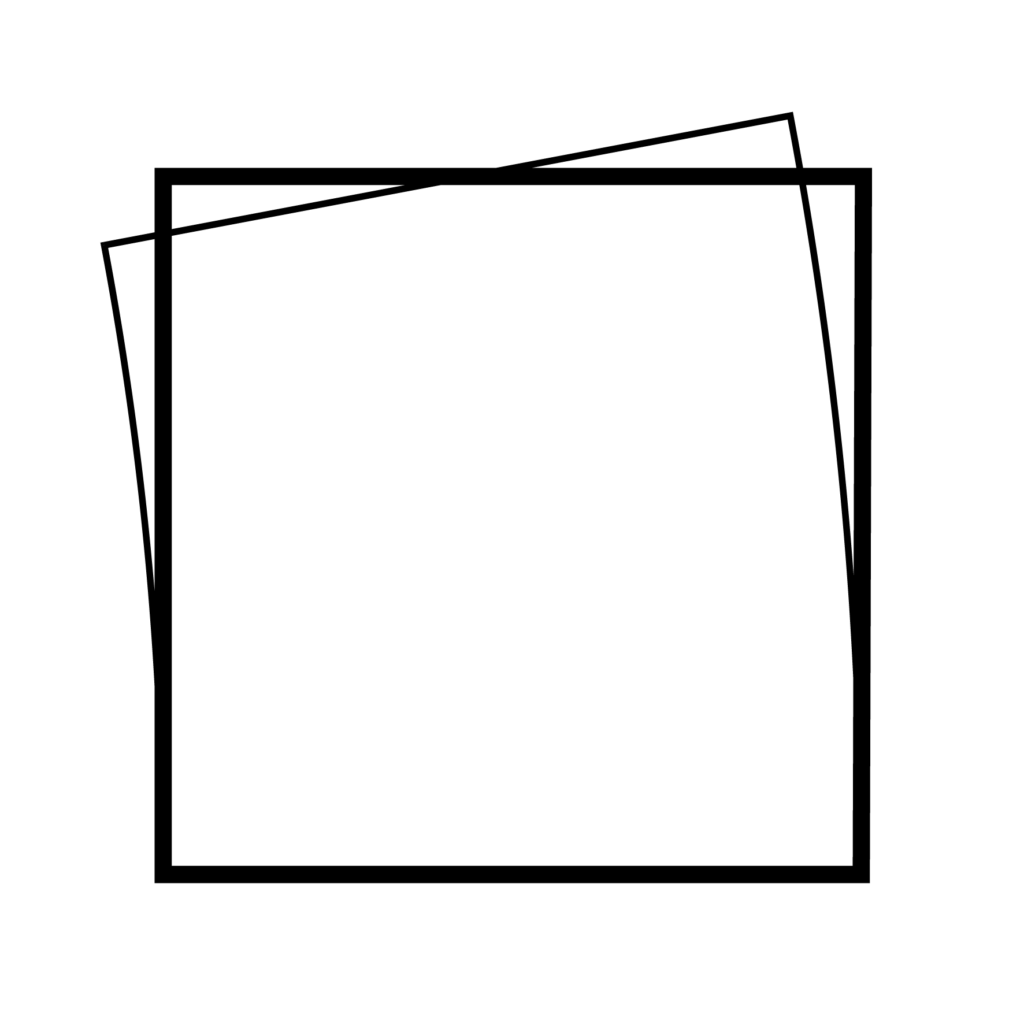
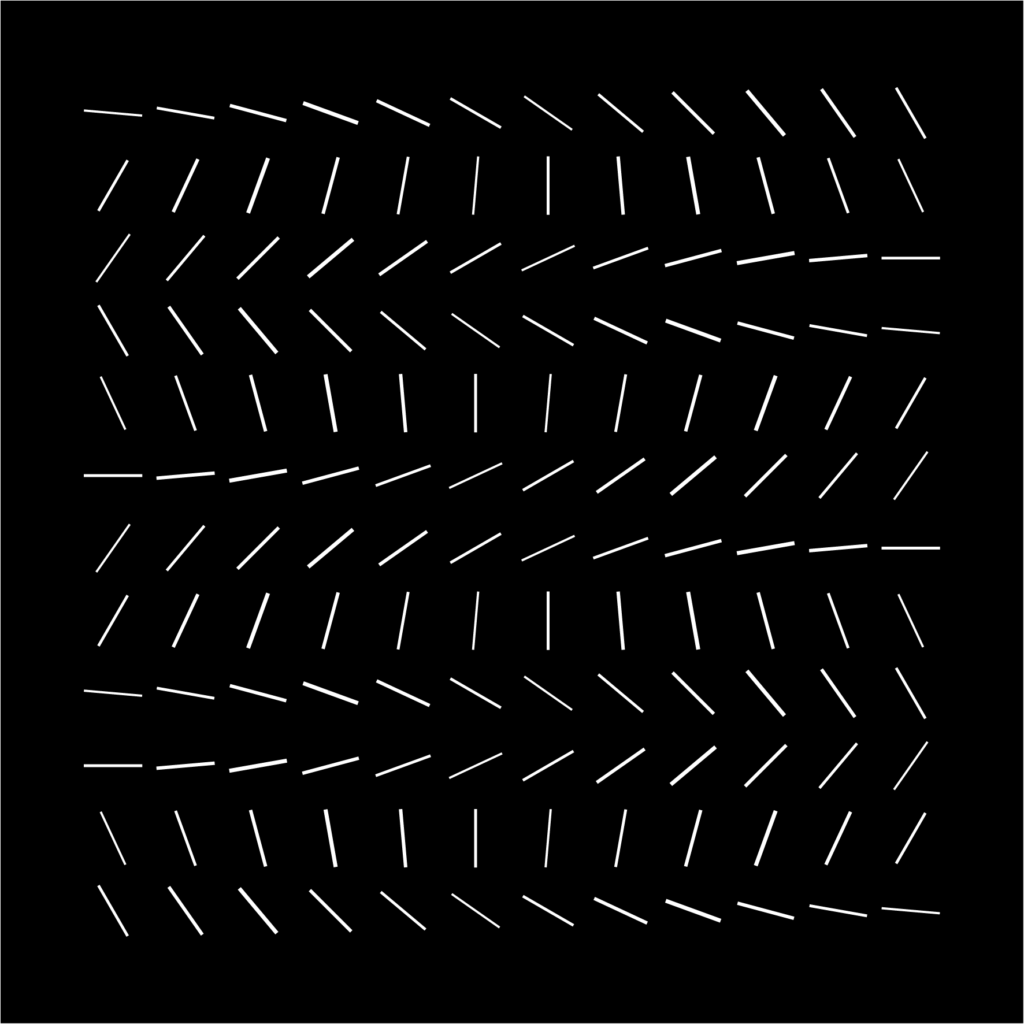
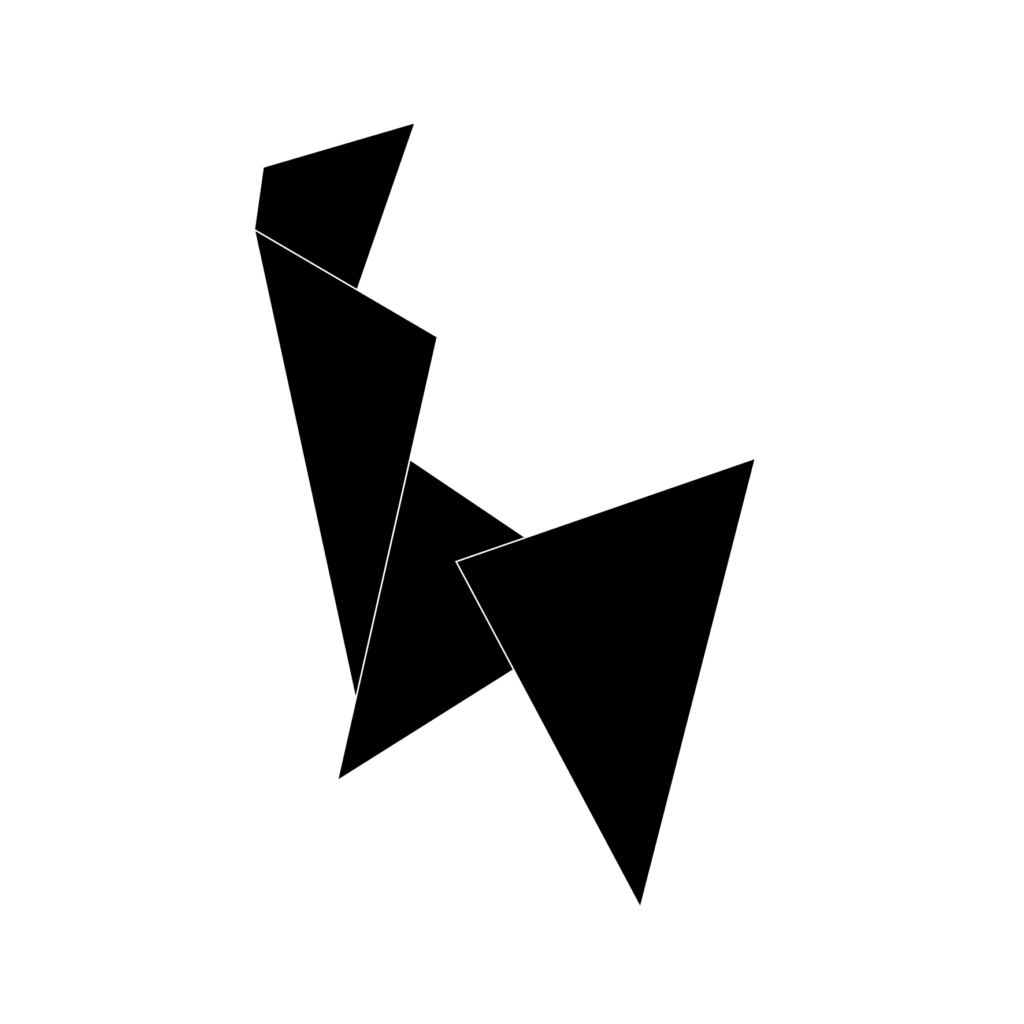
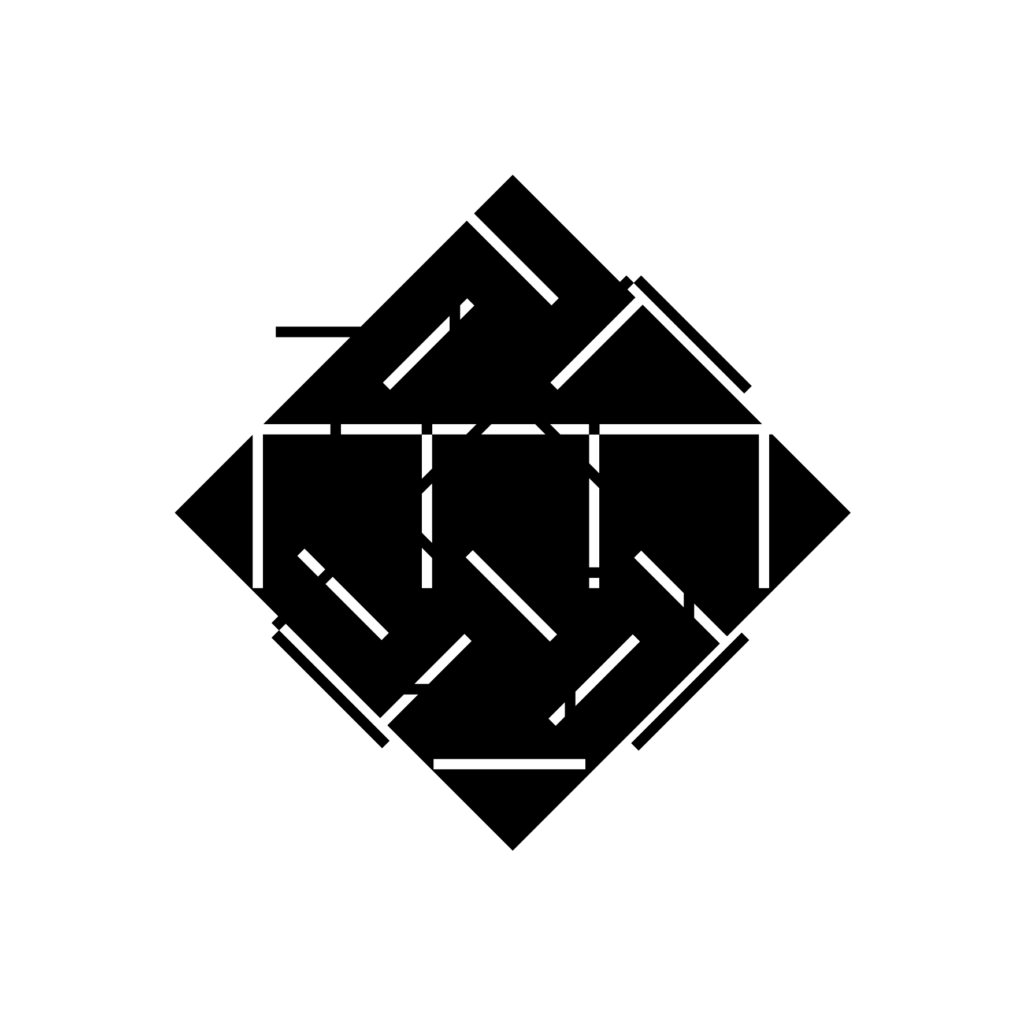
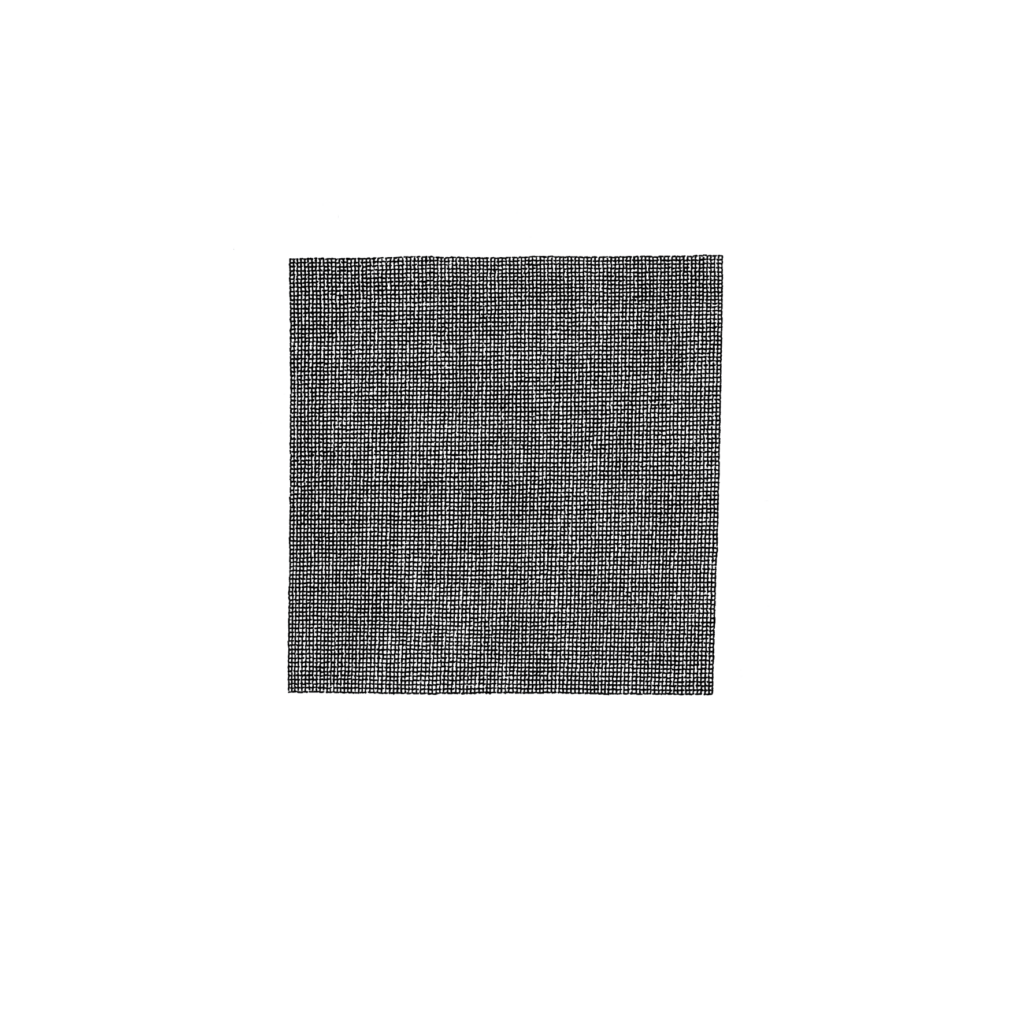
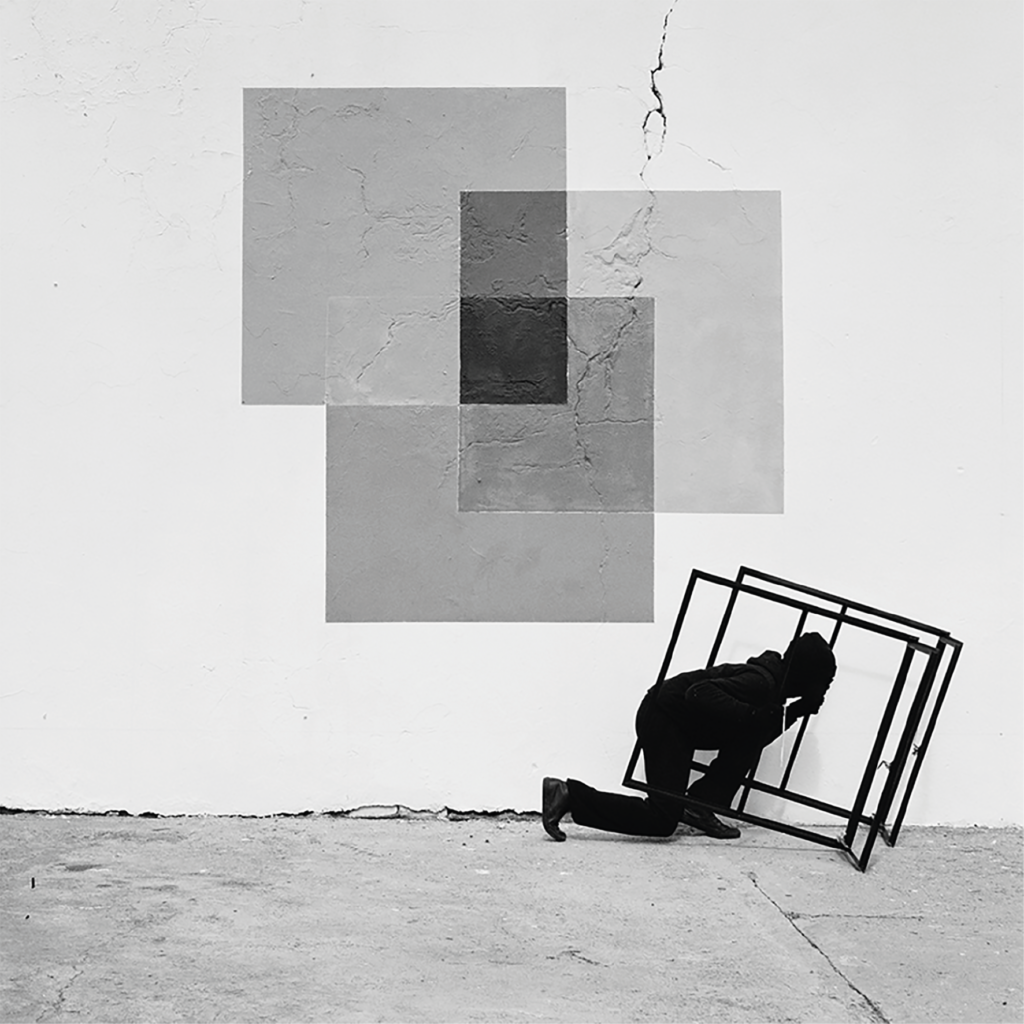
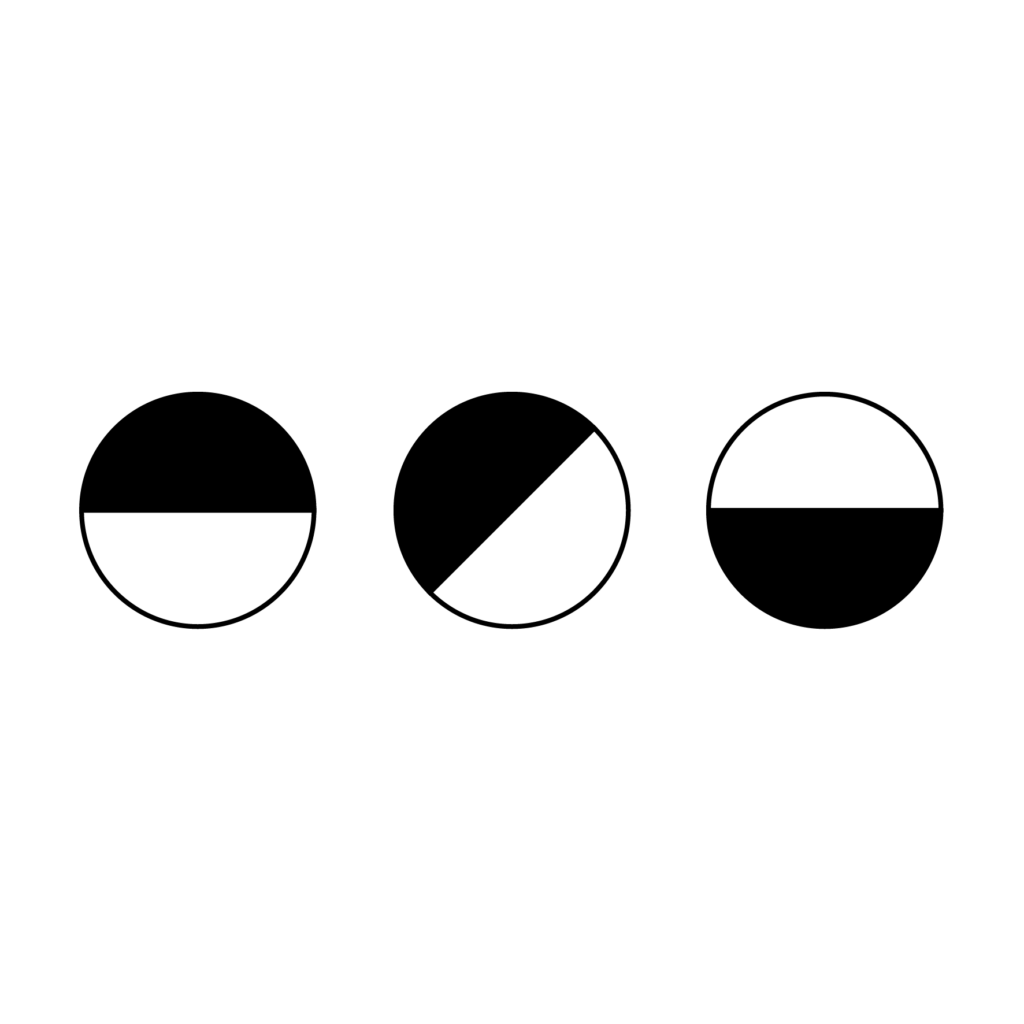
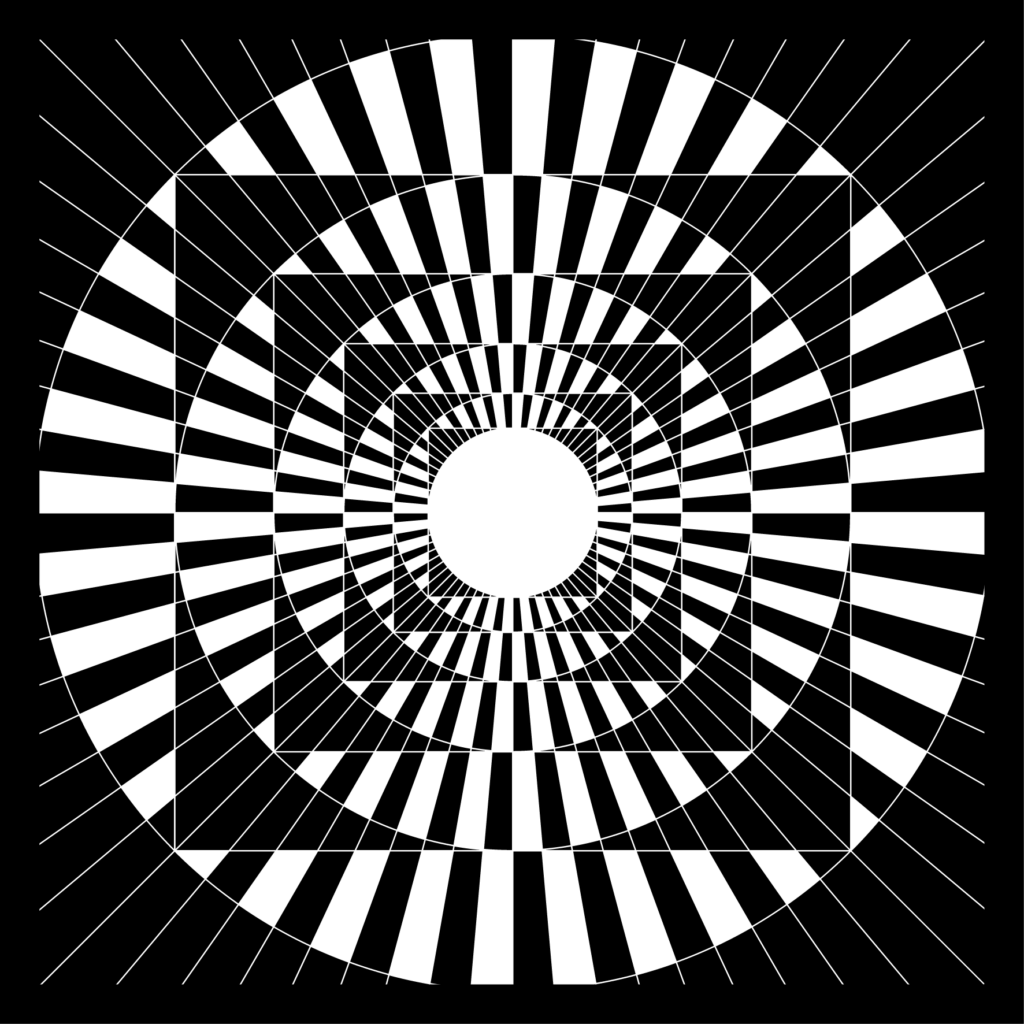
Symetria - 0,0,0

0,0,0 – From the Black Square to the Digital Zero Point

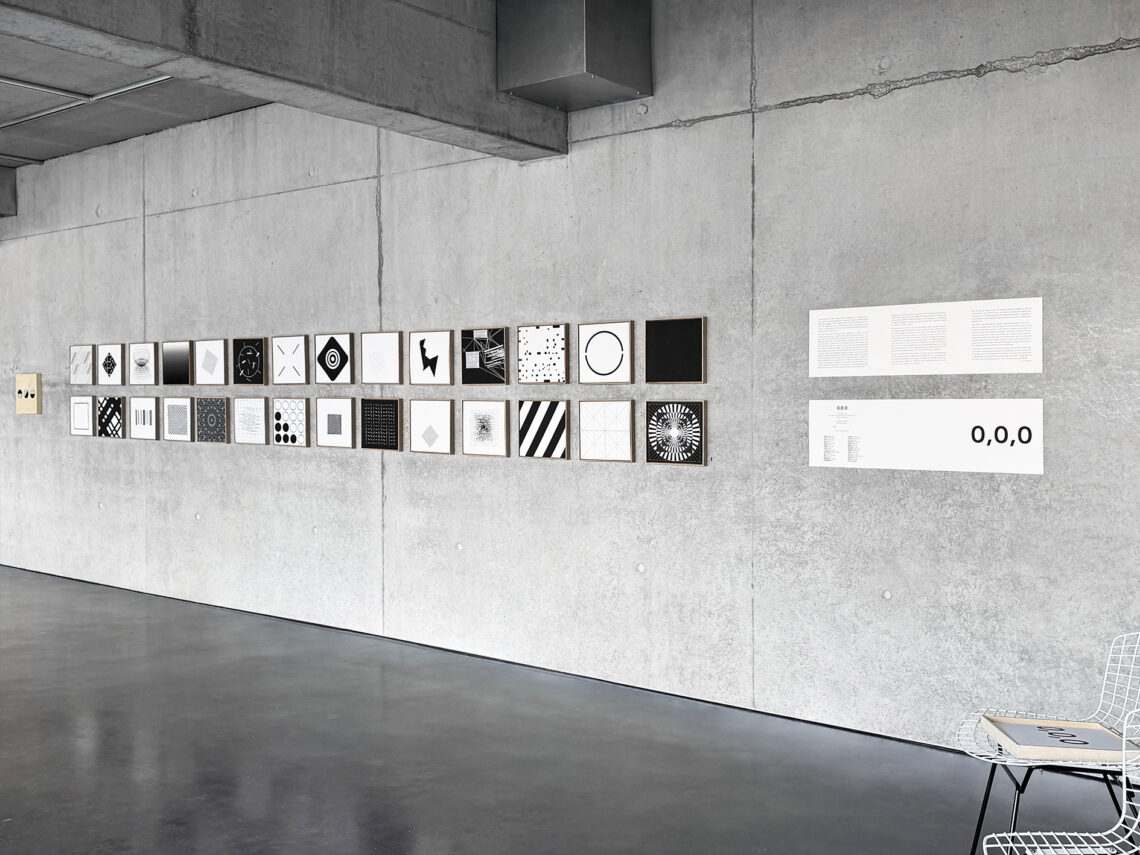
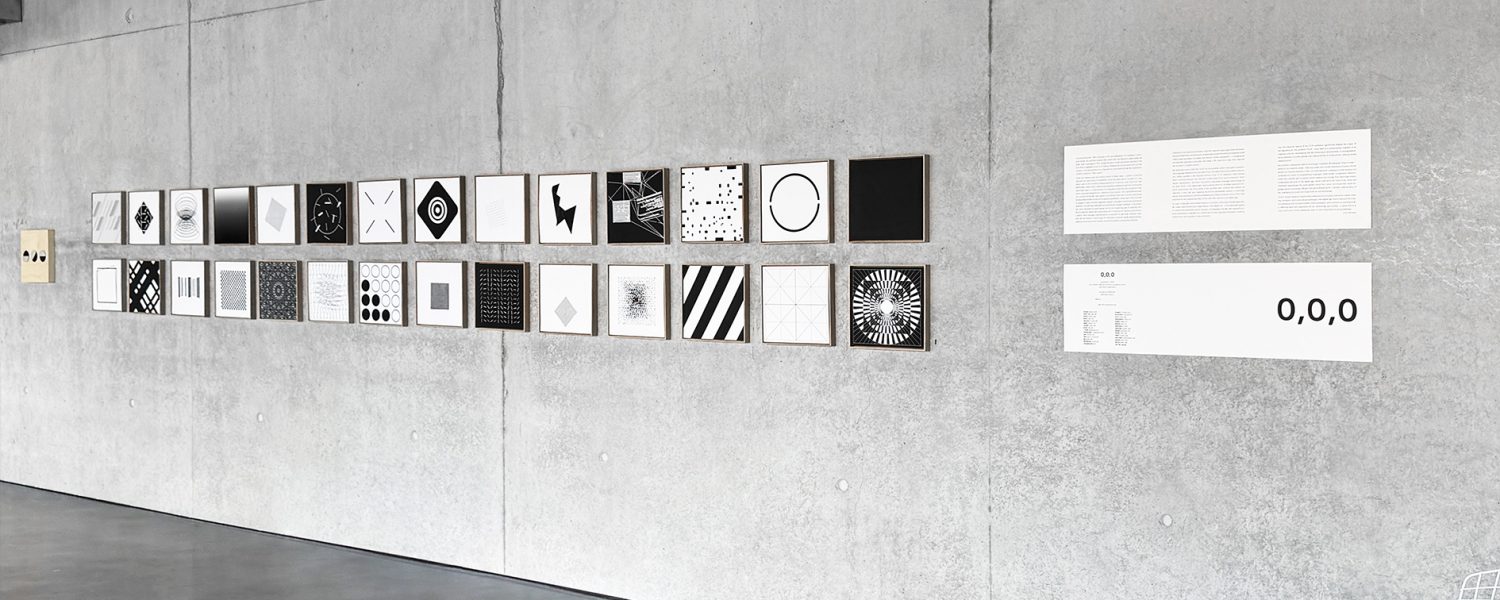
Commemorating the 110th anniversary of the groundbreaking 0,10 exhibition in Petrograd (Russia), this portfolio presents thirty works from non-figurative artists across the globe. Held in Petrograd in 1915, amidst the clamor of war and revolutionary fervor, the 0,10 show is regarded as one of art history’s fundamental turning points and a pivotal moment in the development of non-figurative art, particularly through the presentation of Kazimir Malevich’s Black Square.

Amidst the intense social and political turmoil of Tsarist Russia, a period of profound upheaval and questioning of established norms, the Black Square emerged as a truly radical rupture with centuries of representational art. It stood as a stark “zero form” that deliberately voided artistic tradition and powerfully crystallized Malevich’s revolutionary Suprematist vision: an understanding of art liberated entirely from the constraints of depiction, governed instead by the “supremacy of pure feeling.” This unprecedented audacity mirrored the broader avant-garde’s revolutionary ethos and its fervent yearning to fundamentally remake society and its aesthetic sensibilities. Closely tied to the iconoclastic energy of Russian Futurism’s aggressive assault on bourgeois norms and conventional aesthetics, the painting’s deliberate and symbolically charged installation in the exhibition corner declared it a potent secular icon for the burgeoning age of modernity. From this foundational rupture, like a seed taking root in fertile ground, sprang Constructivism, a distinct visual language characterized by its emphasis on geometry, industrial materials, and the embrace of technology. This influential movement rapidly spread globally, adapting and evolving within diverse cultural and political contexts while retaining its core reductivist principles. Much like Malevich’s seemingly simple yet powerfully elemental forms, Constructivism emphatically proved that profound simplicity could indeed seed boundless innovation and diverse creative expressions, a fundamental principle that resonates profoundly even today in the algorithmic logic that underpins the very fabric of digital creation.

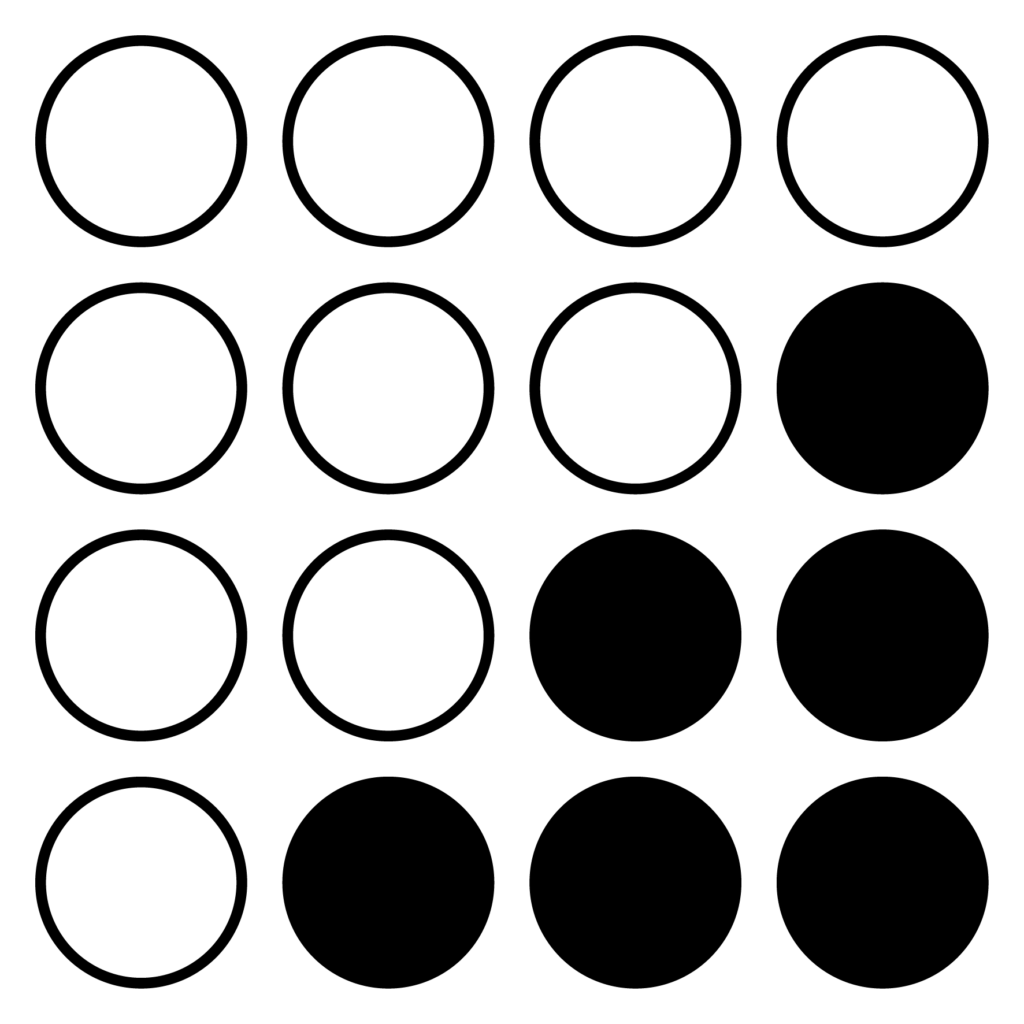
The deliberate choice of the title 0,0,0 for this portfolio, which in the Python programming language represents the pure state of the color black without any additive information, draws a parallel to the historical moment of the 0,10 exhibition. Both contexts share a common principle: the reduction to elementary forms. Just as Malevich’s Black Square represented a “zero form” from which a new artistic language could emerge, so too does “0,0,0” in the digital realm form a starting point for countless visual and functional constructions. The thirty artists in this portfolio each continue this tradition of reduction in their own way, exploring the diverse possibilities inherent in seemingly simple visual vocabularies, and thus showcasing the vibrant evolution of an art form that extends from the revolutionary ideas of the early 20th century to our digital age. As code, it embodies cross-cultural maximum reduction, clarity, and universal applicability. Today, code functions as a lingua franca of the digital era, a boundary-less system of creation that transcends cultural, linguistic, and ideological divides. Like Malevich’s universal geometries, it operates as a neutral yet infinitely adaptable framework, enabling collaboration and innovation across continents.

Thus, the historical caesura of the 0,10 exhibition significantly shaped the origins of non-figurative art. This portfolio, 0,0,0, views itself as a contemporary snapshot of its ongoing evolution, emphasizing that the transcultural dissemination of non-representational aesthetics occurred globally and independently of Constructivism, defying simple categorizations.

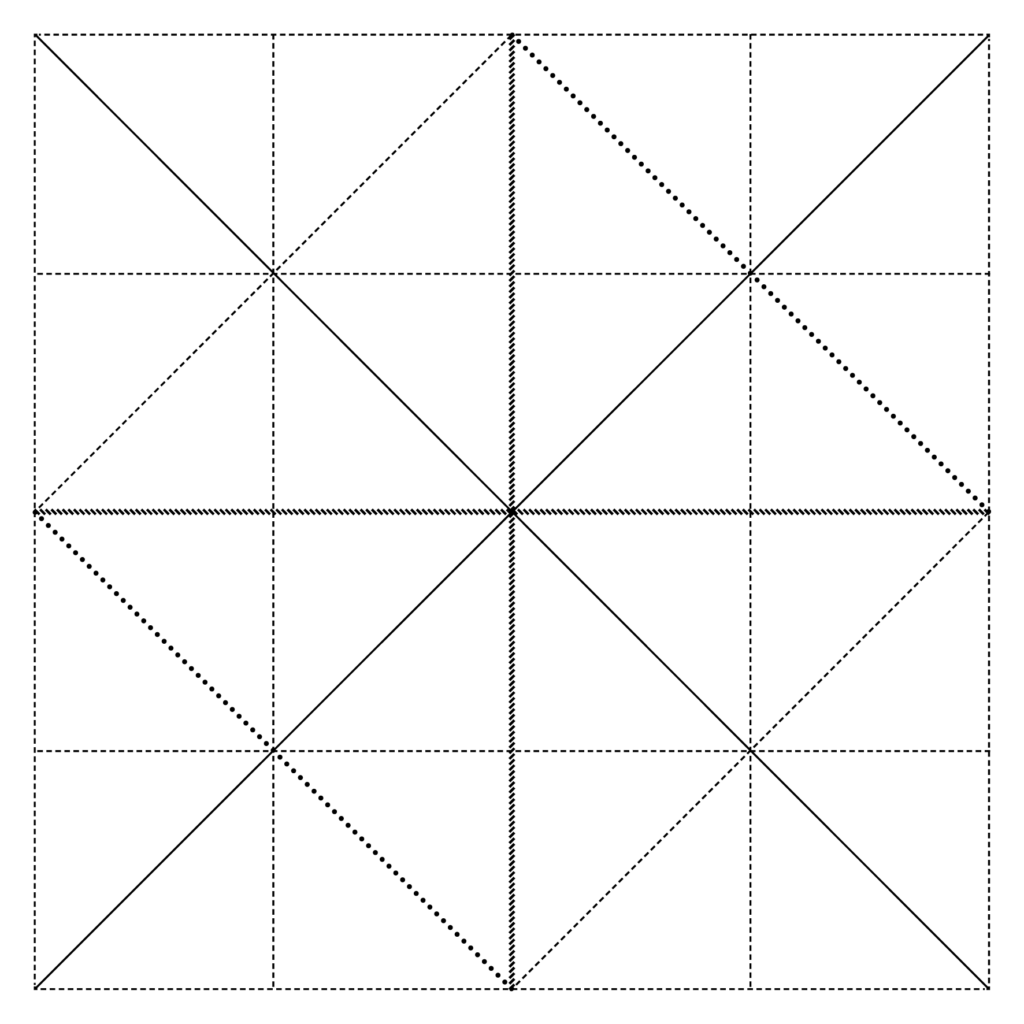
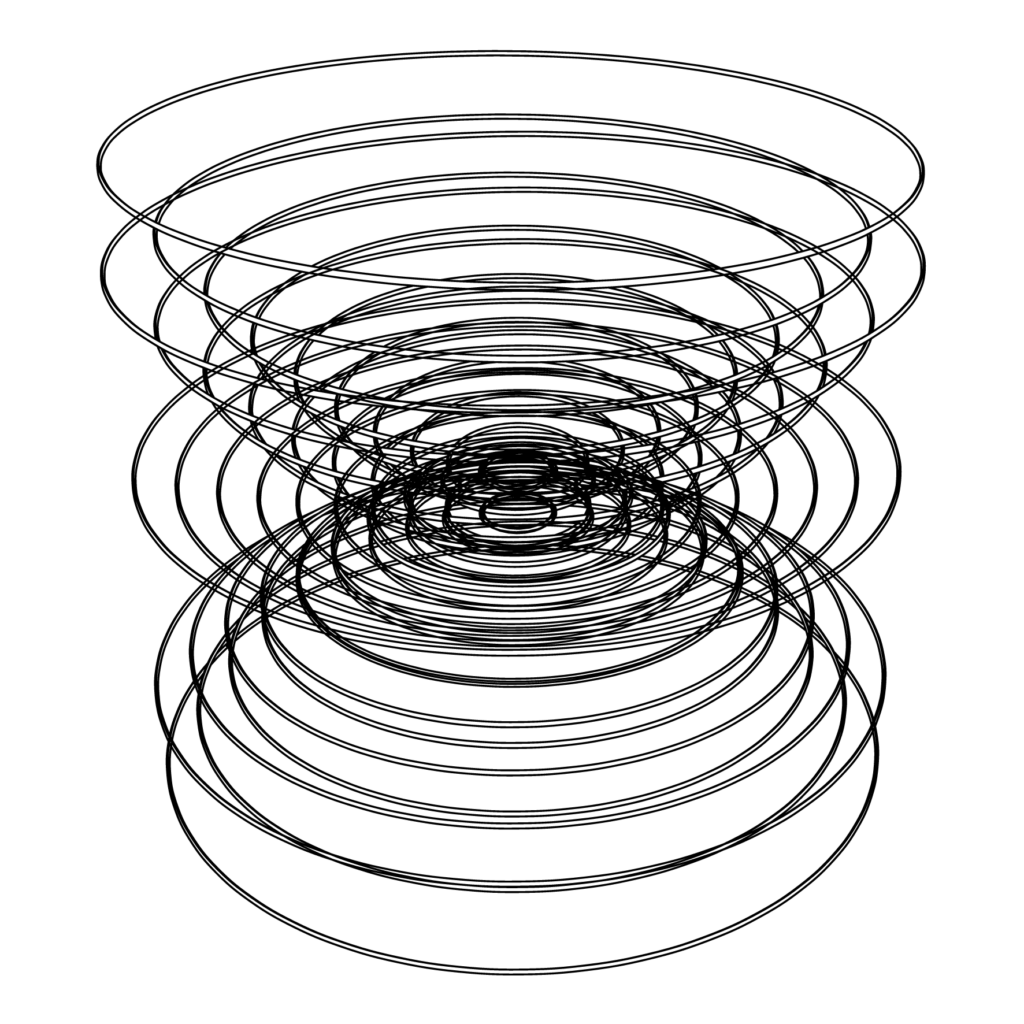
This portfolio understands itself as an analogy: it presents 30 individual “lines of code” — works of non-objective artists — that have arisen from similar reductive principles and yet present an immense diversity in their concrete execution. Analogous to the modular and combinatorial nature of programming languages, these artists’ compendium demonstrates how complex and innovative artistic systems can emerge from seemingly simple, fundamental elements. In the digital age, where code forms the basis of our visual and interactive experiences, the avant-garde’s search for a pure, non-illusionistic visual language proves surprisingly relevant and groundbreaking for a deeper understanding of the underlying structures that shape both art and technology.

0,0,0 invites viewers to explore how Constructivist principles continue to inspire creativity, innovation, and cross-cultural exchange in the digital age, and to discover the enduring relevance and innovative power of this movement, which remains an evolving toolkit, reflecting each era’s aspirations for art, technology, and society, a cipher that is at once a void and a mirror, perpetually open to new interpretations and possibilities.

Timo Niemeyer

The Artists:

Amrein Serena (CH)

Bahk Seon Ghi (KR)

Balart Waldo (CU)

Belov Ivan (RU)

Chardon Nicolas (FR)

Cigler Václav (CZ)

Crespin Elias (VE)

Ernst Rita (CH)

Fiorelli Emanuela (IT)

Hersberger Marguerite (CH)

Jaar Alfredo (CL)

Kien Jean-Charles (FR)

Lee Jeewi (KR)

Linschinger Josef (AT)

Macaparana (BR)

Megert Christian (CH)

Morandini Marcello (IT)

Mori Taiyoh (JP)

Moutashar Mehdi (IR)

Mujica Felipe (CL)

Nabavi Nima (IR)

Niemeyer Jo (DE)

Ostarhild Jurgen (DE)

Queloz Philippe (CH)

Rhode Robin (SA)

Ridell Torsten (SE)

Soto-Díaz Mariángeles (VE)

Staudt Klaus (DE)

Strunz Katja (DE)

Van der Ploeg Jan (NL)